
- CUSTOM PRODUCT
- PRODUCTS & DESIGN
- COMPANY & BRAND
- NEWS
- CONTACT US
Views: 0 Author: Site Editor Publish Time: 2026-08-10 Origin: Site


Procuring custom teamwear or launching a performance apparel line involves strict deadlines, fixed budgets, and zero margin for technical errors. Opaque manufacturing workflows often lead to misaligned expectations. These miscommunications result in pixelated graphics, inconsistent sizing across rosters, fabric failure under athletic stress, and missed delivery dates. Athletic programs and apparel brands cannot afford these setbacks when preparing for upcoming seasons or product launches.
Mitigating these risks requires a comprehensive understanding of the custom sportswear order process. This guide breaks down the technical journey from initial product selection and digital artwork to bulk production and final quality assurance. You will learn how to navigate each manufacturing phase, avoid common production bottlenecks, and establish a reliable framework to evaluate potential manufacturing partners.
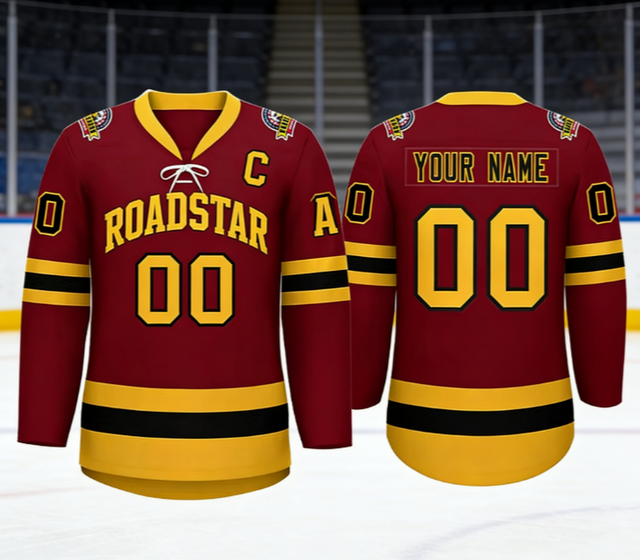
Artwork precision dictates production quality: Utilizing vector files and standardized Pantone color matching prevents costly sublimation and heat transfer errors.
Sampling and fit verification are mandatory risk-mitigation steps: Physical prototypes and fit kits are required to verify fabric behavior, size grading accuracy, and construction durability before committing to bulk manufacturing.
Production timelines require buffer zones: A standard end-to-end process takes 4 to 8 weeks; failing to account for revision cycles during the sampling phase is the primary cause of delayed deliveries.
Vendor evaluation hinges on process transparency and value-adds: Reliable manufacturers provide detailed tech packs, clear revision policies, structured quality assurance checkpoints, and comprehensive program support rather than just promising "fast turnaround."
Table of Contents
A design that looks good on a computer screen will not automatically translate to performance fabric. Achieving professional results requires precise technical formatting and appropriate material selection before any ink touches the fabric. The pre-production phase establishes the foundational blueprint for the entire manufacturing run. Errors made here compound exponentially during bulk production.
Selecting the correct base garment dictates the functional success of the apparel. You must match the material directly to the intended use case. High-output performance apparel requires lightweight, moisture-wicking polyester blends, typically ranging from 130 to 150 GSM (grams per square meter). These lighter weights allow for maximum heat dissipation. Conversely, contact sports like rugby demand heavy-duty 250 GSM interlock polyester that resists tearing. School spiritwear programs often benefit from durable cotton-poly blends that prioritize everyday comfort over athletic performance.
Never finalize fabric choices based solely on digital descriptions. Request physical fabric swatches or blank samples from the manufacturer. Evaluate the fabric weight, stretch recovery, and hand-feel. Stretch recovery is particularly important for compression gear; a 90% polyester and 10% spandex blend must return to its original shape immediately after being stretched. Confirming these physical attributes early prevents dissatisfaction once custom design work initiates.
Artwork formatting is the most common failure point in custom apparel manufacturing. Factories require specific file types to ensure scalable, lossless printing. Submitting incorrect files forces the factory art department to recreate your logos, introducing the risk of visual inaccuracies.
File format requirements: Submit all logos and graphical elements as vector graphics (AI, EPS, or PDF). Vector files use mathematical equations to render images, allowing them to scale infinitely without losing clarity. Raster images (JPEG, PNG) rely on pixels and will blur or pixelate when enlarged for garment printing.
Color management: Utilize the Pantone Matching System (PMS). Screen monitors display colors in RGB, while printers use CMYK. Specifying exact Pantone Solid Coated codes ensures your brand colors remain consistent across different fabric compositions and manufacturing batches.
Resolution standards: If photographic or complex graphical elements are necessary for sublimation, they must meet strict minimum DPI (dots per inch) requirements. Standard practice dictates a minimum of 300 DPI at the actual print size.
Artwork proportions must scale dynamically across an entire roster. A chest logo that looks perfectly proportioned on an adult medium will appear massive on a youth small or disproportionately tiny on a 3XL. This is known as the grading challenge. Manufacturers must adjust artwork dimensions for each size bracket to avoid distorted logos or cut-off text. You should request a grading rule document that specifies exactly how much the logo scales up or down per size jump.
Design placement also requires accounting for seam allowances. You must build bleed areas into the artwork to ensure colors reach the very edge of the cut fabric panels. Avoid placing critical design elements, such as sponsor logos or player numbers, in high-friction zones like underarms or directly over side seams where stitching can disrupt the graphic.
The tech pack serves as the definitive blueprint for your order. It eliminates guesswork and holds the manufacturer accountable to your exact specifications. A comprehensive tech pack must include fabric specs, trim details, exact logo dimensions, and stitching types. Without a tech pack, the factory floor makes assumptions, which always leads to production errors.
Tech Pack Component | Description and Manufacturing Purpose |
|---|---|
Fabric Specifications | Details the exact material composition, weight (GSM), and specific treatments (e.g., anti-microbial, moisture-wicking). Guides the purchasing department. |
Color Codes | Lists all approved Pantone (PMS) colors for base fabrics, accent panels, and printed graphics. Calibrates the sublimation printers. |
Artwork Dimensions | Provides exact measurements (in inches or centimeters) for logo placement across all size grades. Instructs the cutting and printing teams. |
Construction Details | Specifies thread colors, stitching methods (e.g., 4-needle 6-thread flatlock), and hardware requirements (zippers, drawstrings). Directs the sewing floor. |
Before physical manufacturing begins, the vendor will provide 2D or 3D digital mockups. Review these files meticulously. This digital approval serves as the final conceptual checkpoint. Verify color placements, spelling on custom names, and overall design symmetry. Once you sign off on the digital mockup, the factory moves to physical sampling.
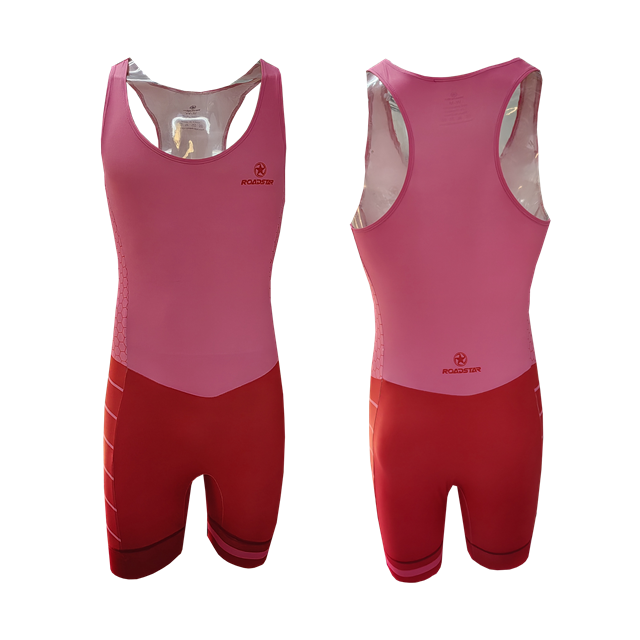
The sampling stage assesses the physical translation of your digital specifications. It allows you to identify necessary adjustments before scaling into bulk production. Skipping this phase introduces severe operational risks, as a single error on a digital file will replicate across hundreds of garments.
Bypassing the sampling phase to save time often results in unusable bulk orders. Physical samples mitigate financial and operational dangers. Manufacturers typically offer different types of samples depending on the project scope. You must understand which sample type you are reviewing to provide accurate feedback.
Fit sample: An unprinted garment used strictly to verify sizing, cut, and drape. This is usually made from available scrap fabric of a similar weight.
Strike-off: A small printed fabric swatch (usually 50x50cm) used to test color saturation and ink adherence before printing full garment panels.
Pre-production sample (PPS): The fully finished prototype featuring the exact fabric, colors, logos, and construction methods intended for the bulk order. This is the gold standard for approval.
Standard sizing charts vary wildly between manufacturers. A "Large" from one factory might fit like a "Medium" from another. Standardizing your roster requires utilizing vendor-provided physical fit kits. A fit kit includes a complete size run (e.g., Youth Small through Adult 3XL) of the exact garment style you intend to order.
Allowing team members to try on physical garments eliminates the guesswork associated with digital sizing charts. Document any necessary adjustments during this try-on session. Note requirements for custom inseams, extended sizing, or specific athletic cuts based on physical feedback. Record these sizes meticulously on a master roster spreadsheet.
Once you receive the pre-production sample, subject it to rigorous evaluation. Do not just look at it on a hanger. Have an athlete wear it during a practice session. Assess moisture-wicking capabilities, stretch recovery, and breathability under realistic athletic conditions. The fabric must move with the athlete without losing its structural integrity.
Inspect the construction integrity closely. Check for flatlock stitching, which prevents chafing during high-movement activities. Examine reinforced seams at high-stress points like shoulders and waistbands. Test zipper quality by pulling it rapidly multiple times, and ensure drawstrings are properly secured with reinforced eyelets. Wash the sample at least once to check for color bleeding or unexpected shrinkage.
Physical prototypes rarely achieve perfection on the first iteration. Expect to make adjustments. Common revisions include correcting color saturation issues, tweaking collar fits, or shifting logo placements that look different on a 3D body than they did on a 2D screen.
Factor a revision and re-sampling loop into your overall procurement schedule. A standard revision cycle adds one to two weeks to the timeline. Planning for this buffer prevents rushed approvals and ensures the final product meets your exact standards. Document all requested changes in a consolidated email to the factory to maintain a clear paper trail.
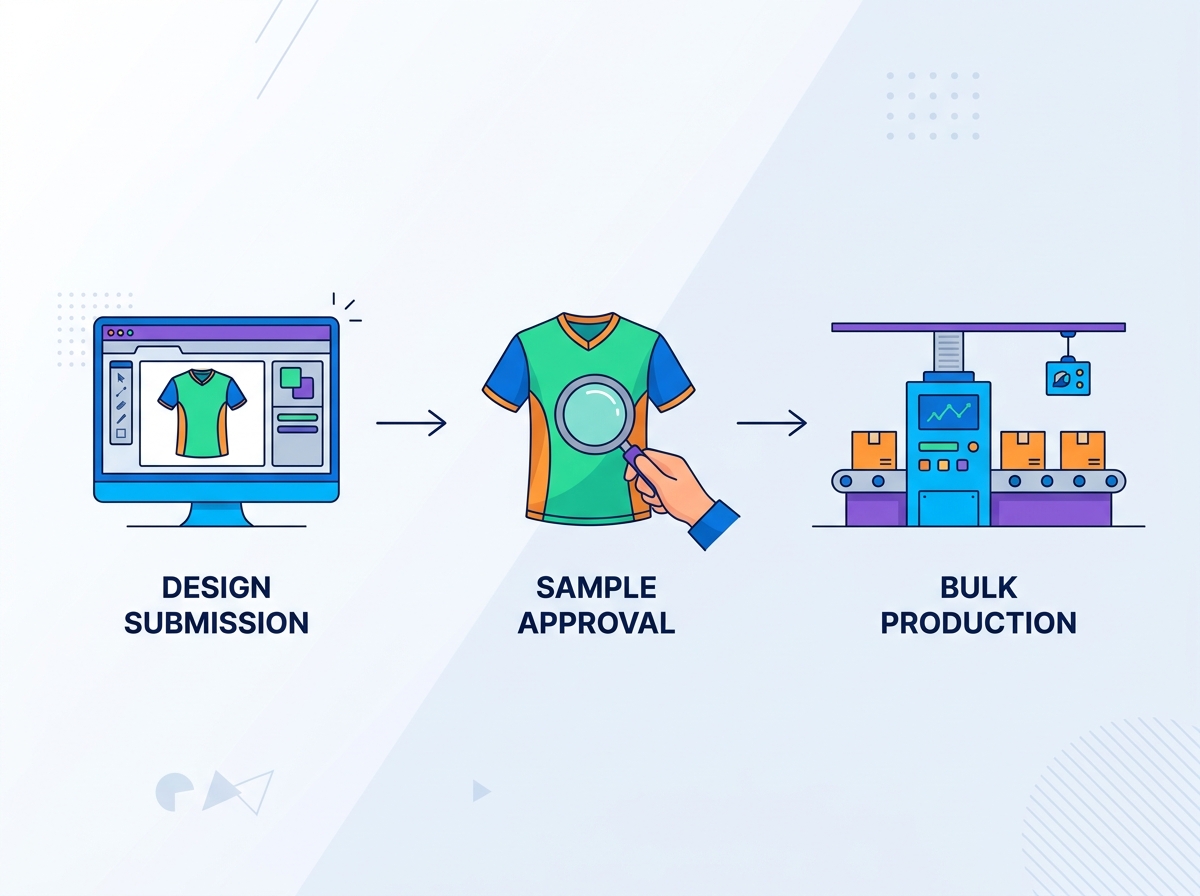
Once you approve the pre-production sample, the process transitions into bulk manufacturing. This phase utilizes distinct manufacturing methodologies to turn approved prototypes into complete roster orders. The factory floor takes over, relying entirely on the approved tech pack and PPS.
Locking in the Purchase Order (PO) is a critical administrative step. You must finalize total quantities, approved artwork files, and all variable data. Variable data includes custom player names, roster numbers, and corresponding sizes. Double-check the spelling of every name against the assigned number.
Understand that submitting the PO represents the point of no return. Once the PO is signed and sublimation begins, the factory cuts the fabric and prints the designs. Roster additions, spelling corrections, or sizing changes cannot be accommodated at this stage without initiating an entirely new order. Factories operate on strict material yields, meaning they do not cut extra fabric "just in case."
The chosen printing method impacts garment breathability, durability, and visual clarity. Dye-sublimation is the industry standard for performance sportswear. This process uses a large-format printer to print the design onto specialized transfer paper. A rotary heat press then applies 200°C heat and heavy pressure, turning the solid ink into a gas that infuses directly into the polyester polymers. It creates permanent, breathable, edge-to-edge designs that will never crack or peel.
Feature | Dye-Sublimation | Heat Transfer / Screen Printing |
|---|---|---|
Fabric Compatibility | Requires at least 80% polyester. Will not work on cotton. | Works on cotton, polyester, and mixed blends. |
Breathability | Zero impact on breathability. Ink bonds with fibers. | Reduces breathability. Creates a solid layer over the fabric. |
Durability | Permanent. Will not fade, crack, or peel over time. | Prone to cracking or peeling after heavy wash cycles. |
Design Complexity | Ideal for full-garment prints, gradients, and complex patterns. | Best for solid colors, simple logos, and localized chest prints. |
Heat transfer and screen printing serve different purposes. Utilize these methods for cotton blends, applying raised silicone logos, or adding specific textured team crests. While versatile, these surface-level applications reduce localized breathability and carry durability trade-offs over hundreds of wash cycles compared to sublimation.
Modern sportswear manufacturing relies on precision cutting. Factories use laser cutting or automated CNC fabric cutters to ensure exact adherence to graded sizing patterns. Automated cutting eliminates human error, ensuring a medium front panel perfectly aligns with a medium back panel. Laser cutting also seals the edges of synthetic fabrics, preventing fraying during the sewing process.
Following the cutting phase, components move to specialized assembly lines. Sewing teams handle different garment components based on their expertise using a progressive bundle system. One operator may specialize in attaching moisture-wicking mesh panels using an overlock machine, while another focuses exclusively on inserting elastic waistbands and setting collars. This compartmentalized approach ensures consistent construction quality across the entire bulk order.
Understanding standard lead times helps manage delivery expectations. A typical bulk production window requires three to five weeks after sample approval. However, supply chain variables can impact this speed. You must account for these potential delays when planning your procurement schedule.
Raw material shortages: Delays in sourcing specific technical fabrics, custom dye colors, or specialized zippers can stall production before cutting even begins.
Seasonal demand spikes: Factories experience peak volumes before major athletic seasons. Late summer is notoriously busy for fall sports, extending standard lead times by several weeks.
Complex roster variations: Orders with extensive variable data, such as individual player names and unique numbers across multiple teams, require longer setup and sorting times on the factory floor.
The final phase ensures the delivered product matches the approved pre-production sample. Manufacturers must operate with a strict defect tolerance policy before shipping the goods. A failure in QA means defective gear reaches the end user.
Quality assurance teams conduct visual and structural audits on the finished garments using standard AQL (Acceptable Quality Limit) protocols, typically AQL 2.5 for apparel. They check for color consistency across different batches to ensure the first shirt matches the hundredth shirt. Inspectors verify stitching tension, looking for loose threads, skipped stitches, or needle damage. They also examine the printed areas to ensure zero ink bleeding or ghosting occurred during the heat press phase.
Roster verification is the final internal checkpoint. The QA team cross-references the custom player names, numbers, and specific sizing on the physical garments against the original purchase order to guarantee complete accuracy. Any garment failing this check is sent back for immediate remanufacturing.
Proper fulfillment organization adds significant operational value for the end user. Premium manufacturers provide individual poly-bagging to protect garments from moisture and dirt during transit. Furthermore, roster-sorted packaging allows team managers to distribute gear effortlessly. Instead of sorting through a massive box of mixed sizes, coaches receive clearly labeled packages for each specific player.
Shipping modalities depend on your timeline and volume. Air freight provides faster delivery (typically 5 to 7 days) but incurs higher freight costs based on volumetric weight. Sea freight offers a cost-effective solution for massive volume orders but requires significantly longer transit times (often 30 to 45 days). Choose the logistics method that aligns with your specific deadline requirements and budget constraints.
Choosing a vendor based solely on unit price often leads to compromised quality and missed deadlines. Evaluate potential manufacturing partners based on their process maturity, transparency, and comprehensive program support. A reliable partner acts as an extension of your operations.
Reliable communication is vital during custom manufacturing. Look for partners that assign a dedicated account manager to your project. This representative should provide real-time milestone updates and Work in Progress (WIP) reports at the artwork, sampling, and bulk production stages. You should never have to guess where your order is in the production queue.
Review the vendor's revision policies before signing a contract. Understand exactly how many design revisions are included in the initial agreement before additional setup fees apply. Clear policies prevent unexpected charges during the pre-production phase and keep the project moving forward.
Identify partners that offer full-service capabilities beyond basic manufacturing. Premium vendors often provide complimentary artwork assistance, helping you convert rough sketches into production-ready vector files. Look for partners offering free shipping or free roster-sorted packaging, which significantly reduces administrative headaches upon delivery.
Some manufacturers also offer promotional support. Leveraging vendors that provide free posters, flyers, or digital assets helps market school spiritwear or club apparel programs to your community, driving higher order volumes and increasing overall program success.
Scrutinize quotes for hidden fees that inflate the final invoice. Watch out for unexpected setup and digitizing fees. Some factories charge extra for converting logos to vector formats or setting up individual sublimation screens for different sizes. Demand a fully landed quote that includes all manufacturing, setup, and shipping costs.
Evaluate the manufacturer's Minimum Order Quantities (MOQs). Strict MOQs can severely impact future reorders. If a vendor requires a minimum of 50 units, ordering replacement gear for two new team members mid-season becomes financially unviable. Seek partners with flexible or low MOQs for subsequent reorders to maintain roster consistency year-round.
Gather high-resolution vector assets and brand guidelines before contacting manufacturers.
Request physical fit kits to finalize accurate roster sizing charts and eliminate guesswork.
Demand a comprehensive tech pack template from shortlisted manufacturing partners to initiate the pre-production phase correctly.
Establish a firm timeline that includes a two-week buffer specifically for sample revisions and shipping delays.
A: The end-to-end process typically takes 4 to 8 weeks. Pre-production and artwork approval take 1 to 2 weeks. Physical sampling and revisions add another 1 to 2 weeks. Bulk production and final delivery require 3 to 5 weeks. Always build a buffer into your schedule for unexpected revision cycles.
A: A tech pack is a blueprint containing all manufacturing specifications for your garment. It includes fabric details, Pantone colors, logo dimensions, and stitching requirements. You need it to ensure the factory produces exactly what you designed, eliminating guesswork and providing a standard for quality control.
A: No. Once the purchase order is signed and production begins, the factory immediately cuts the fabric and prints the specific sizes requested. Any changes to sizing, names, or numbers after this point require initiating and paying for a completely new order.
A: Sublimation uses heat to turn ink into gas, permanently dyeing the polyester fibers. It remains breathable and never peels. Heat transfer applies a separate layer of material on top of the fabric using heat and pressure, which reduces breathability and cracks over time.
A: Vector files use mathematical formulas to create images, allowing them to be scaled to any size without losing resolution. Raster images use pixels and will become blurry or pixelated when enlarged to fit a garment panel, resulting in poor print quality.
A: Fit kits provide a physical size run of the exact garment you are ordering. They allow athletes to try on the apparel, ensuring they select the correct size based on actual fit rather than guessing from a digital size chart, drastically reducing sizing errors.


