
- CUSTOM PRODUCT
- PRODUCTS & DESIGN
- COMPANY & BRAND
- NEWS
- CONTACT US
Views: 0 Author: Site Editor Publish Time: 2026-08-10 Origin: Site


Procuring team uniforms involves high operational stakes. Late deliveries, poor fabric durability, and inconsistent sizing directly impact team morale and organizational budgets. Navigating fragmented supplier markets often reveals opaque fee structures and a massive technical gap between digital design mockups and physical garment realities. You need a reliable framework to manage these variables effectively.
This custom teamwear buying guide serves as a definitive, step-by-step resource for athletic directors, coaches, and procurement managers. We will help you evaluate suppliers, mitigate production risks, and manage the entire lifecycle from initial design to final delivery. By following these structured steps, you eliminate the guesswork from apparel ordering and ensure your roster steps onto the field looking professional and feeling comfortable.
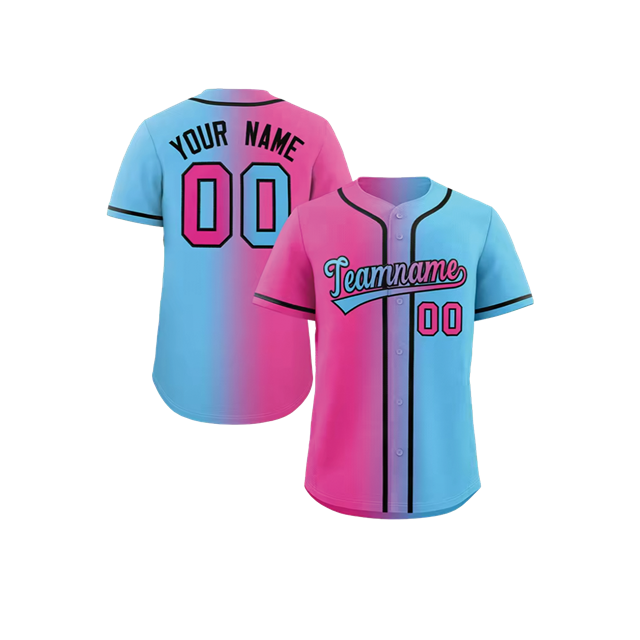
Supplier Vetting is Critical: Prioritize vendors based on transparent lead times, verifiable production capacity, dedicated account management, and clear policies on Minimum Order Quantities (MOQs).
Material Dictates Performance: Fabric selection and print methodology (e.g., sublimation vs. embroidery) must align strictly with the sport's physical demands and environmental conditions.
Standardize Sizing Early: Mitigate the highest risk factor in teamwear procurement by utilizing physical sizing kits rather than relying solely on digital size charts.
Table of Contents
A unified organizational appearance requires cohesive styles across your entire apparel ecosystem. Procurement extends far beyond game-day jerseys. You must account for practice t-shirts, travel tracksuits, warm-up hoodies, and coaching staff polos. When athletes and staff wear mismatched gear, it diminishes the professional image of the organization.
Color-matching across different garment types presents a significant technical challenge. A sublimated polyester jersey absorbs ink differently than an embroidered cotton-blend hoodie. You must ensure your supplier can accurately match your core brand colors across various fabric blends. Request physical fabric swatches to verify color consistency before approving full production runs. This prevents your sideline staff from wearing a visibly different shade of navy blue than the players on the field.
When outfitting a multi-tier organization, such as a high school with varsity, junior varsity, and freshman squads, you must decide whether to cascade the same design across all levels or create distinct visual tiers. Cascading a single design increases your total order volume, which often unlocks better pricing tiers. However, distinct designs help differentiate the squads. Regardless of your approach, ensure the core brand colors remain identical across all levels.
To map your ecosystem effectively, follow these steps:
Inventory all required on-field competition garments for home and away games.
List all necessary training apparel, including practice jerseys, shorts, and scrimmage vests.
Identify travel and pre-game wear, such as tracksuits, hoodies, and presentation jackets.
Determine the specific apparel needs for coaching staff, medical personnel, and equipment managers.
Fabric selection directly influences athletic performance and garment longevity. You must evaluate materials based on moisture-wicking properties, fabric weight, stretch capabilities, and abrasion resistance. Grams per square meter (GSM) dictates the fabric's weight and durability. Lightweight materials around 120 to 150 GSM suit endurance sports, while contact sports require heavy-duty fabrics exceeding 250 GSM.
Stretch requirements also vary by sport. A 2-way stretch fabric offers stability, while a 4-way stretch material provides maximum mobility for dynamic movements. Fit profiles must match the physical demands of the activity. Rugby demands tight, compression fits to prevent opponents from grabbing the fabric. Basketball requires loose, breathable cuts to facilitate a full range of motion.
Beyond weight and stretch, evaluate the seam construction. Active sportswear requires flatlock stitching. This technique joins two pieces of fabric edge-to-edge without overlapping, creating a flat, smooth seam that prevents chafing during repetitive motions. Standard overlock seams, common in cheap promotional t-shirts, leave a bulky ridge inside the garment that irritates the skin. Additionally, inquire about antimicrobial treatments. High-performance fabrics often feature chemical treatments that inhibit odor-causing bacteria, a necessary feature for multi-day tournaments where washing facilities are unavailable.
Sport / Activity | Ideal Fabric Weight (GSM) | Stretch Requirement | Fit Profile |
|---|---|---|---|
Basketball | 130 - 160 GSM | 2-Way Stretch | Loose / Relaxed |
Rugby | 250 - 300 GSM | 4-Way Stretch | Compression / Tight |
Soccer | 140 - 170 GSM | 4-Way Stretch | Athletic / Tapered |
Volleyball | 150 - 180 GSM | 4-Way Stretch | Form-Fitting |
Coaching Staff | 180 - 220 GSM | Minimal Stretch | Standard / Tailored |
Accurate quantity forecasting prevents budget overruns and mid-season shortages. Calculate your total required quantities by auditing your current roster and factoring in practice gear and travel wear. You must also secure buffer stock. Players lose jerseys, and new athletes join the roster mid-season. Ordering an extra 10 to 15 percent upfront saves you from expensive small-batch reorders later.
Understand how volume tiering impacts your per-unit expenditure. Suppliers structure their pricing based on production volume. Hitting specific quantity thresholds unlocks better rates. Consolidating your orders for multiple teams or age groups into a single purchase order maximizes your purchasing power. Always allocate a portion of your budget for unexpected replacements and expedited shipping fees.
Factor sponsor logos into your budget early. If your organization relies on local sponsorships, determine the exact placement and size of these logos before finalizing the design. Adding sponsor logos late in the process often incurs additional setup fees or requires a complete redesign of the garment's front panel. Secure high-resolution vector files from your sponsors on day one to avoid production delays.
Modern procurement offers two distinct paths for garment design. Many suppliers provide online 3D team builders. These self-serve platforms deliver speed and visual immediacy. You can select standardized templates, drag and drop logos, and visualize the final product within minutes. This method works perfectly for organizations needing quick turnarounds and standard uniform layouts.
Conversely, working directly with in-house graphic designers unlocks fully bespoke creations. Concierge design services handle complex custom patterns, bespoke typography, and tailored brand integration. If your team requires a unique camouflage pattern or specific sleeve striping that standard templates cannot accommodate, you need a human designer. While this route extends the initial design phase, it guarantees a unique visual identity.
Submitting the correct file formats prevents production delays and poor print quality. You must provide vector files for all artwork and logos. Formats like .AI, .EPS, and .SVG use mathematical equations to render images, allowing them to scale infinitely without losing clarity. Raster images, such as .JPG and .PNG files, rely on pixels. When a supplier enlarges a small .PNG logo to fit across a chest, the image becomes blurry and pixelated.
Establish strict color matching standards using the Pantone Matching System (PMS). Providing exact Pantone codes eliminates ambiguity. Do not rely on how colors appear on your computer monitor, as screen calibration varies wildly. A verified Pantone code ensures the factory mixes the exact ink required for your brand identity.
File Format | Type | Best Used For | Scalability |
|---|---|---|---|
.AI (Adobe Illustrator) | Vector | Primary logos, complex graphics | Infinite |
.EPS | Vector | Universal vector sharing | Infinite |
.SVG | Vector | Web-based 3D builders | Infinite |
.PNG / .JPG | Raster | Mockup references only | Poor (Pixelates) |
Selecting the right customization method impacts durability, weight, and aesthetics. Sublimation uses heat to fuse ink directly into the fabric fibers. This process allows for edge-to-edge, full-garment designs without adding any weight. The fabric remains fully breathable, making sublimation the premier choice for lightweight performance wear. However, it only works on polyester-based materials.
Screen printing and heat transfers offer cost-effective solutions for high-volume orders, particularly on cotton blends. These methods apply layers of ink or vinyl on top of the fabric. While durable, large printed areas reduce garment breathability and can crack over time.
Embroidery delivers a premium, professional aesthetic ideal for coaching polos and travel jackets. Yet, you should avoid embroidery on active competition wear. The dense thread adds unnecessary weight, and the backing material causes severe chafing during intense physical exertion.
Consider these factors when choosing a customization method:
Garment material composition (polyester vs. cotton).
Required breathability for the specific sport.
Complexity and color count of your team logo.
Expected wear and tear during competition.
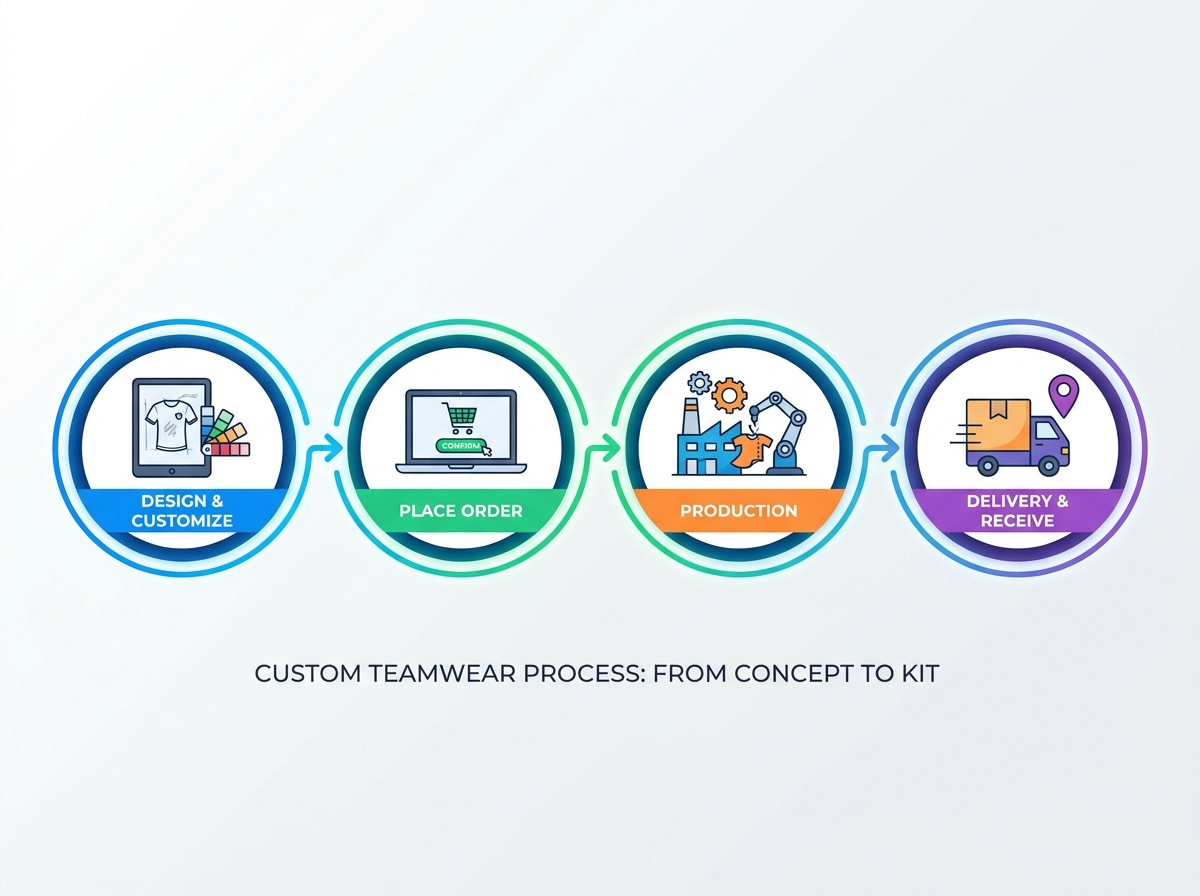
Never commit to a full production run without inspecting physical samples. Digital mockups look flawless, but physical garments reveal the true manufacturing quality. Demand a sample from your shortlisted suppliers to conduct rigorous quality assurance testing.
Examine the stitching quality closely. Athletic wear requires flatlock stitching to prevent seam failure and skin irritation. Check the durability of zippers, drawstrings, and waistbands. Wash the sample garment multiple times to test for color fastness and shrinkage. If the colors bleed or the fabric pills after three wash cycles, the supplier fails the quality test.
Pay close attention to the hardware. Zippers should glide smoothly without catching on the surrounding fabric. Look for industry-standard YKK zippers on tracksuits and jackets, as cheap generic zippers fail quickly under heavy use. Inspect the drawstrings on shorts and hoodies. The entry holes should feature reinforced metal grommets or heavy-duty buttonhole stitching to prevent the fabric from tearing when athletes pull the strings tight.
A supplier's manufacturing infrastructure dictates their ability to meet your deadlines. Evaluate their supply chain setup. Domestic manufacturing generally offers faster shipping but may have capacity limits. Overseas manufacturing handles massive volumes but introduces potential customs delays. Ask for historical on-time delivery rates, especially during peak pre-season ordering windows.
Customer support structure is equally vital. Prioritize vendors that assign a dedicated account manager to your organization. When production bottlenecks occur, you need a direct line to a decision-maker. Generic support inboxes and automated ticketing systems fail to provide the urgency required when your opening day approaches.
Opaque fee structures quickly inflate procurement budgets. You must identify all potential hidden costs before signing a purchase order. Ask suppliers to detail their digitizing fees for converting logos into embroidery files. Inquire about setup charges per color for screen printing. Clarify shipping tariffs and ask if rush-order premiums apply during busy seasons.
Minimum Order Quantities (MOQs) represent a major contractual hurdle. A supplier might offer an attractive per-unit rate but require a massive initial order. More importantly, check their MOQ policy for future top-up orders. If you need three replacement jerseys mid-season, a supplier with a strict 20-unit MOQ will force you to buy unnecessary inventory.
Universal sizing does not exist in the custom apparel industry. A "Large" from one manufacturer often fits like a "Medium" from another. Relying solely on digital size charts leads to massive fit issues, frustrated athletes, and high replacement rates.
You must procure physical sizing kits. A sizing kit includes a full run of garments from Extra Small to Double Extra Large in your chosen fit profile. Have every athlete try on the physical garment before submitting the final roster data. This hands-on approach eliminates guesswork, accommodates different body types accurately, and drastically reduces post-delivery complaints.
To execute a successful sizing session, designate a specific sizing day for your organization. Set up stations with the physical sizing kits organized by garment type and size. Assign a coach or volunteer to manage each station, ensuring athletes try on the correct items and record their sizes accurately on a master spreadsheet. Do not let athletes guess their sizes based on holding the garment up to their chest; mandate that they physically put the item on. This structured approach takes a few hours but saves weeks of administrative headaches dealing with returns.
Coordinating orders for a large organization requires choosing between centralized procurement and decentralized team stores. The traditional bulk-ordering method involves one coordinator managing spreadsheets, collecting funds, and submitting a single massive order. This ensures total control but demands heavy administrative labor.
If you choose the centralized bulk-ordering route, implement a strict double-verification system for player names and numbers. Typographical errors on custom jerseys are non-refundable. Create a master roster spreadsheet and require each athlete or parent to sign off on the spelling of their name and their assigned number before you submit the final purchase order to the supplier. This shifts the responsibility for accuracy away from the procurement manager and directly to the end-user.
Modern suppliers offer hosted online team stores. In this model, the supplier builds a custom web page where athletes and parents order and pay for their gear individually. This eliminates the burden of cash collection and data entry for the coaching staff. While individual shipping might slightly increase the per-item cost, the administrative time saved makes team stores highly advantageous for large leagues and clubs.
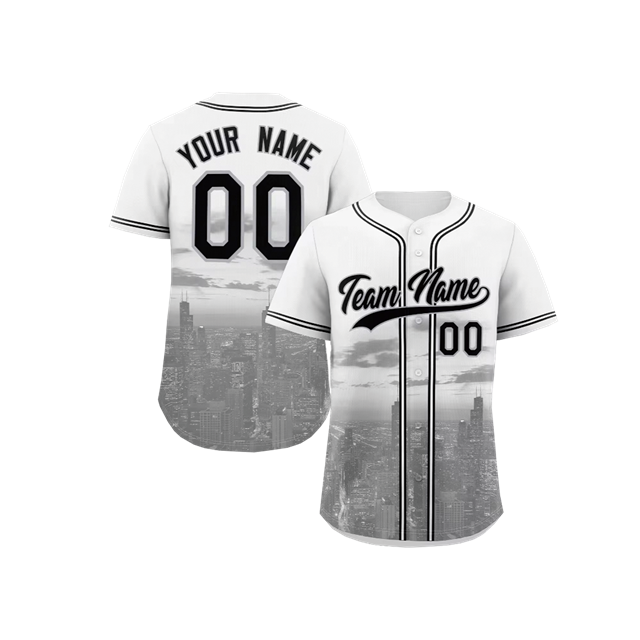
Custom manufacturing takes time. A realistic timeline from design approval to final delivery spans four to eight weeks. Bottlenecks happen frequently. Artwork revisions, delayed roster submissions, and unexpected fabric shortages easily derail production schedules.
You must build a two to three-week buffer into your procurement schedule. If your first game is on September 1st, set your target delivery date for August 10th. This buffer absorbs manufacturing delays and provides time to correct any errors in the final shipment before the athletes need the gear.
Standard industry policies dictate that customized items are non-returnable unless physically defective. You cannot return a jersey simply because a player ordered the wrong size. This reinforces the necessity of physical sizing kits.
Develop a clear strategy for future reorders. Roster changes are inevitable. Negotiate terms for small-batch top-ups during your initial contract discussions. Secure a written agreement that allows you to order small quantities of replacement gear at a reasonable rate, ensuring new players receive matching uniforms without bankrupting your equipment budget.
Audit your current teamwear inventory to identify exact replacement needs and quantity baselines.
Gather and organize all organizational logos into high-resolution vector file formats (.AI, .EPS, .SVG).
Contact three shortlisted suppliers to request physical fabric samples and a full sizing kit.
Establish a firm procurement timeline, adding a three-week buffer before your season begins.
A: Standard lead times typically range from four to eight weeks. This window accounts for final design approval, fabric cutting, printing or embroidery, sewing, and shipping. Always build an additional two to three-week buffer into your schedule to accommodate unexpected supply chain delays or artwork revisions.
A: Choose sublimation for active competition wear. It fuses ink into the fabric, keeping the garment lightweight, breathable, and durable. Choose embroidery for coaching staff polos, jackets, and hats. Embroidery provides a premium, professional look but adds weight and can cause chafing if used on athletic performance gear.
A: Industry average MOQs usually range from 10 to 50 units per design. High MOQs can lower your per-unit cost but require a larger upfront investment. Always verify a supplier's MOQ policy for mid-season reorders, as you may need to order small batches for new players.
A: Yes, but small-batch reorders often incur surcharges or fail to meet standard MOQs. You must negotiate top-up order terms during your initial contract phase. Establishing a clear agreement for small reorders prevents exorbitant fees when adding late arrivals to your roster.
A: Never rely on digital size charts, as fits vary drastically between brands. Request a physical sizing kit from your supplier containing a full size run. Have every athlete try on the physical garments to determine their exact fit before you finalize the roster order data.
A: Suppliers require vector files, such as .AI, .EPS, or .SVG. Vector files use mathematical formulas, allowing logos to scale infinitely without losing resolution. Avoid raster images like .JPG or .PNG, as they become pixelated and blurry when enlarged for apparel printing.
A: Use a 3D team builder for speed and simplicity if standard templates meet your needs. Work with an in-house graphic designer if you require highly bespoke branding, complex custom patterns, or specific typography that automated online tools cannot accommodate.


