
- CUSTOM PRODUCT
- PRODUCTS & DESIGN
- COMPANY & BRAND
- NEWS
- CONTACT US
Views: 0 Author: Site Editor Publish Time: 2026-08-10 Origin: Site


Approving a digital mockup on a backlit screen feels satisfying. Receiving physical apparel that falls apart during the first scrimmage is an operational disaster. There is a massive gap between a sleek graphic design and functional athletic gear that withstands physical wear-and-tear. Poorly executed custom sportswear wastes budgets, causes athlete discomfort, triggers league compliance violations, and damages brand perception. Design goes far beyond aesthetics. It requires a strict technical procurement process.
Beyond physical performance, high-quality custom sportswear provides a distinct psychological edge. Premium gear boosts team morale, instills athlete confidence on the field, and projects a unified, professional brand essence to competitors, fans, and sponsors. Moving from a rough concept to a finished product requires a structured framework. You must translate visual ideas into production-ready technical specifications. This means focusing heavily on fabric selection, printing methodology, and rigorous vendor evaluation. Understanding exactly how to design custom sportswear ensures your team receives durable, compliant, and comfortable apparel.
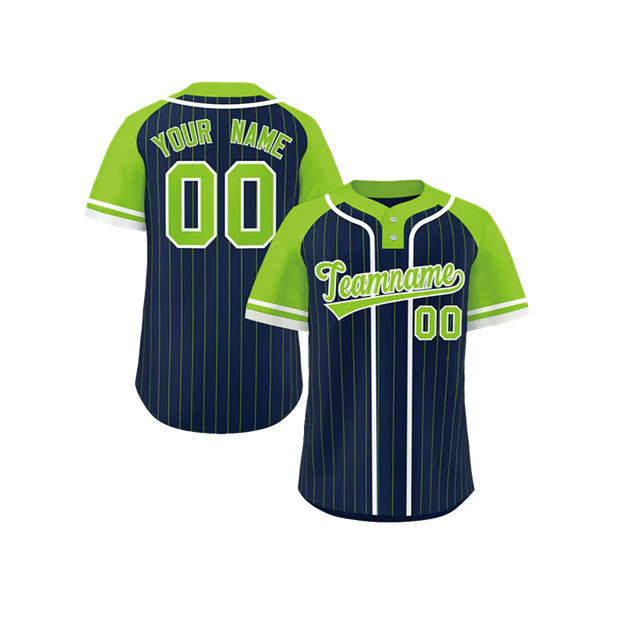
Performance Dictates Material: Fabric choices must align with the specific biomechanical and environmental demands of the sport, prioritizing moisture management and durability over base cost.
Print Methodology Impacts Longevity: Dye sublimation offers superior durability for athletic gear compared to traditional screen printing or heat transfers, which can crack or peel under stress.
Standardize Sizing Early: Relying on generic sizing charts introduces high return rates; developing a sport-specific sizing matrix is critical for team-wide adoption.
Vendor Vetting Requires Tech Packs: Evaluating manufacturers requires a comprehensive Tech Pack (vector files, Pantone codes, placement measurements) to accurately compare quotes and production capabilities.
Fulfillment Logistics Matter: The best vendors simplify distribution through individual player packaging or dedicated online team stores.
Table of Contents
Establish strict baseline requirements before opening any design software. Success is not defined by how a jersey looks on a screen. Success is defined by athlete comfort, structural durability, and brand accuracy under competitive conditions. You must frame your success criteria around the physical reality of the sport.
Determine the primary function of the gear to align your procurement strategy and design complexity. The technical requirements for an elite travel academy differ vastly from an amateur recreational league. A one-off corporate team-building event requires basic uniformity. A competitive collegiate program requires advanced moisture management, reinforced stitching, and seasonal variations. Define the end-user immediately. This dictates whether you need high-performance synthetics or standard sideline apparel.
Consider the lifespan of the garment. A marathon finisher shirt only needs to survive one race and a few wash cycles. A varsity hockey jersey must withstand hundreds of hours of high-impact collisions, abrasive boards, and heavy laundering. Build your specifications around the expected wear-and-tear.
Every sport places unique biomechanical demands on apparel. You must detail these requirements early in the procurement phase. Grappling and rugby demand high abrasion resistance and four-way stretch capacity to prevent tearing during tackles. Distance running requires ultra-lightweight breathability and minimal seam friction to prevent severe chafing over long distances. Basketball uniforms need generous armhole drops for maximum range of motion during shooting.
Environmental factors play an equally significant role. Evaluate where and when the gear will be worn. Outdoor summer tournaments require high UV protection ratings and aggressive moisture-wicking capabilities to prevent heat exhaustion. Winter field sports necessitate thermal retention layers that do not restrict movement. Build your technical requirements around these environmental realities rather than generic templates.
Governing bodies enforce strict uniform regulations. Check your specific league rulebook before finalizing any design. Organizations like the NFHS, NCAA, or FIFA dictate exact logo sizing and placement restrictions. They mandate specific color contrasts between home and away kits to assist referees. They regulate the size, font legibility, and placement of player numbers. Failing to meet these standards results in match forfeitures or forced uniform replacements.
Corporate brand guidelines require equal attention. Sponsored teams must ensure exact color matching and logo integrity. Sponsors will reject gear that distorts their logo or uses incorrect brand colors. Secure high-resolution brand assets and explicit placement approval from all sponsors before moving to production. Document these approvals in writing to protect your organization from liability.
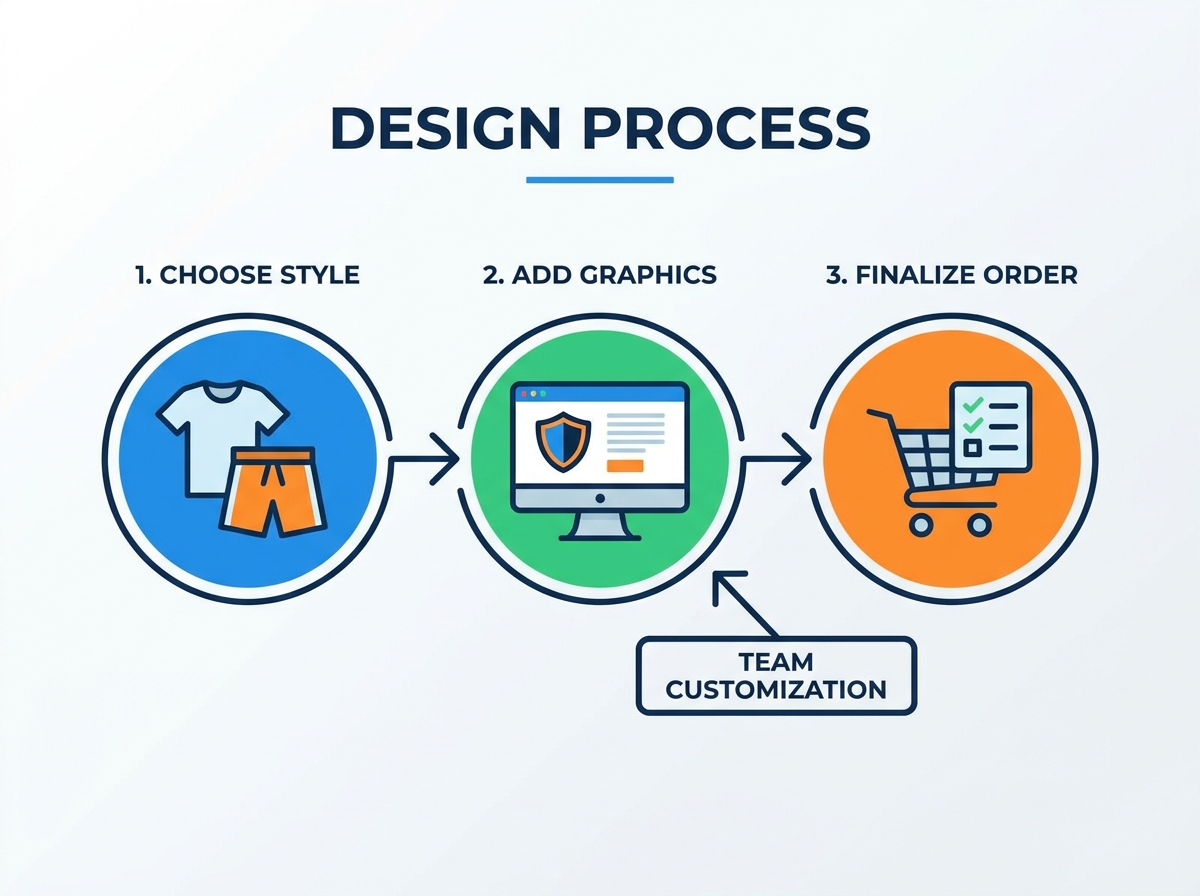
Compare base materials based on performance outcomes rather than marketing terminology. Fabric dictates the entire lifespan of the garment. You must evaluate material trade-offs objectively and specify exact compositions to your manufacturer.
Polyester is the undisputed industry standard for athletic apparel. It offers exceptional durability and shape retention. It resists shrinking and wrinkling. Most importantly, high-count polyester is mandatory for dye sublimation printing. It holds vibrant colors permanently without fading. Modern engineered polyesters feature microscopic channels that pull sweat away from the skin to the surface of the fabric, accelerating evaporation.
Elastane, commonly known as Spandex, provides necessary compression and shape retention. It allows garments to stretch and recover instantly. However, high elastane content introduces manufacturing limitations. It reacts poorly to high-heat printing methods. It requires careful temperature management during manufacturing to prevent fabric scorching or permanent elasticity loss.
Avoid natural fibers for high-output sports. Cotton absorbs and retains moisture. A cotton shirt can hold up to 27 times its weight in water. This causes severe chafing, thermal regulation failure, and a heavy, uncomfortable fit. Reserve cotton blends strictly for sideline gear, travel tracksuits, or corporate team apparel where physical exertion is minimal.
Fabric Type | Primary Characteristics | Best Sport Applications | Printing Compatibility |
|---|---|---|---|
100% Polyester | High durability, excellent moisture wicking, zero shrinkage. | Soccer, Basketball, Track, Volleyball | Excellent for Dye Sublimation |
Poly-Spandex Blend | 4-way stretch, compression, shape retention. | Wrestling, Cycling, Gymnastics, Rugby | Good for Sublimation (requires heat control) |
Nylon Blends | Extreme abrasion resistance, wind resistance. | Hockey shells, Outerwear, Swimwear | Screen Printing, Embroidery |
Cotton-Poly Blend | Soft hand-feel, moderate breathability, retains moisture. | Sideline apparel, Coaching polos, Fan gear | Screen Printing, Heat Transfer |
Fabric weight is measured in GSM, or Grams per Square Meter. Specify your GSM based on the season and the sport. A lightweight 120 GSM fabric suits summer track events. A robust 250 GSM fabric is necessary for contact sports like hockey or rugby. Specifying the correct GSM prevents garments from being too sheer or excessively hot.
Weave types determine the texture and functionality of the fabric. Interlock weaves provide a smooth, durable surface ideal for printing. Mesh weaves offer high breathability but sacrifice some structural durability, making them perfect for underarm ventilation panels. Pique weaves offer a textured, professional finish commonly used in golf polos and coaching staff apparel. Specify the exact weave for each panel of the garment in your technical documentation.
Break down the technical application of logos and colors. Evaluate the longevity and operational efficiency of each method. The wrong printing choice ruins high-quality fabric and leads to premature garment failure.
Dye sublimation is the premier choice for custom athletic uniforms. The process uses heat to turn solid ink into a gas. This gas permeates the polyester fibers, bonding at a molecular level. The ink becomes part of the fabric itself rather than sitting on the surface.
The advantages are substantial. Sublimated designs will not crack, peel, or fade over time. The process allows for complex, edge-to-edge custom designs. It adds zero weight to the garment and maintains 100% of the fabric's breathability. The primary limitation is material compatibility. Sublimation only works on light-colored fabrics with a high polyester count. You cannot sublimate onto dark fabrics or cotton.
Screen printing pushes plastisol ink through a mesh stencil onto the fabric surface. Heat transfers apply a vinyl graphic using a commercial heat press. Both methods sit on top of the fabric rather than integrating with it.
These methods work best for cotton-blend sideline gear or simple, low-color logos. However, they present severe physical limitations for active sportswear. Large screen-printed logos block airflow, reducing breathability. The ink adds noticeable weight to the garment. On high-stretch fabrics, both screen printing and heat transfers risk cracking or peeling after repeated washing and stretching.
Embroidery and tackle twill offer a premium, traditional aesthetic. They are standard for baseball jerseys, hockey sweaters, and corporate polos. They provide a high-end, textured finish that commands authority on the field.
Implementation requires caution. Embroidery adds significant weight. It causes severe chafing on the interior of the garment if not properly backed with a soft stabilizer. Heavy tackle twill causes lightweight athletic fabrics to pucker and sag. Reserve these methods for heavier GSM fabrics and non-contact apparel.
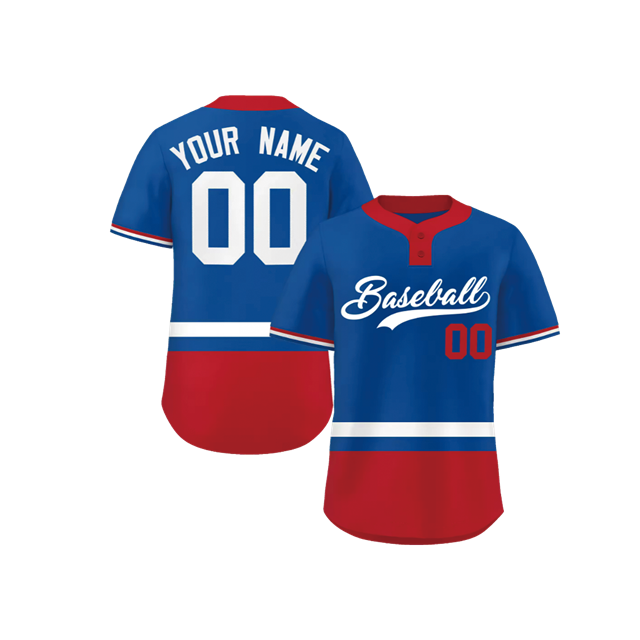
Translating a concept into production requires strict operational steps. You must ensure the manufacturer produces exactly what you approved. Ambiguity in design files leads directly to manufacturing errors. Mastering how to design custom sportswear means mastering the documentation process.
A professional Tech Pack is your blueprint. It eliminates guesswork for the manufacturer. A complete Tech Pack includes detailed flat sketches of the front, back, and sides of the garment. It lists exact logo placement measurements in inches or centimeters. It details specific seam types, such as flatlock stitching for anti-chafing.
Generate Flat Sketches: Create 2D black-and-white line drawings of the garment. Show all seams, zippers, and panel constructions.
Define Points of Measure (POM): List the exact dimensions for chest width, body length, sleeve length, and collar opening for a base size (usually Medium).
Create a Bill of Materials (BOM): List every physical component required. Include the primary fabric, mesh panels, thread type, zippers, and care labels.
Map Logo Placements: Specify the exact distance from the collar or center seam to the top edge of every logo.
You must provide vector graphic files. Formats like .AI, .EPS, or .SVG are infinitely scalable. Raster images like .JPG or .PNG will pixelate and blur during production. Submitting vector files is a non-negotiable requirement for crisp, professional printing.
Screens display colors in RGB. Printers output colors in CMYK. This discrepancy causes massive color matching errors. A neon green on your monitor may print as a muddy olive on polyester.
Mandate the use of Pantone Solid Coated codes. The Pantone Matching System provides a universal color language. Assigning specific Pantone codes holds vendors accountable for exact color reproduction. If the physical garment does not match the specified Pantone chip, the manufacturer is responsible for the reprint. Never approve a color based solely on a PDF proof viewed on a laptop screen.
Roster personalization requires careful logistics. Select highly legible typography for player numbers. Avoid overly complex or distressed fonts that referees cannot read from a distance. Ensure high-contrast colors between the number and the jersey background.
Confirm the manufacturer utilizes variable data printing (VDP). This digital process allows the factory to change names and numbers on each garment seamlessly during the sublimation process. Verify this process early to ensure adding individual roster details does not incur massive per-unit setup fees. Submit your final roster in a clean spreadsheet, double-checking all spelling before submission.
Unisex sizing is a compromise that rarely fits athletes correctly. Detail the necessity of gender-specific cuts. Women’s cuts require different shoulder grading and waist tapering. Men’s cuts require different chest and length proportions. Establish an inclusive sizing range that accommodates all team members.
Never rely solely on a digital sizing chart. Request physical sizing samples before finalizing the bulk order. A physical size run allows athletes to try on the exact pattern block. This eliminates guesswork and drastically reduces post-delivery fit complaints.
Shortlist manufacturing partners based on operational reliability rather than just unit volume. A subpar jersey delivered three weeks late is useless. Evaluate vendors on their supply chain transparency, communication speed, and fulfillment capabilities.
Evaluate how MOQs impact your initial order and future team expansions. A vendor might offer a low unit volume but demand a 100-piece minimum. This creates a massive logistical problem when you need to order three replacement jerseys for new roster additions mid-season. Look for vendors with low or zero MOQs for reorders. Scalability is mandatory for long-term team management.
Discuss standard lead times upfront. Custom sportswear typically requires 4 to 8 weeks from final design approval to delivery. Understand the risks of expedited overseas shipping. Customs delays and international logistics derail timelines frequently. Ensure the vendor builds quality assurance time into their production schedule. Rushed orders inevitably suffer from poor stitching, skipped seams, and misaligned prints.
Assess how the final product is delivered. Sorting through a massive box of loose jerseys is a logistical nightmare for team managers. Top-tier vendors simplify distribution. They offer individual player poly-bagging, clearly labeled with the athlete's name, number, and size.
Advanced vendors host online team stores. These dedicated web portals allow players or parents to order and pay directly. This removes the distribution burden and financial liability entirely from the team manager or coach. The vendor handles the transaction, manufactures the gear, and ships it directly to the athlete's home.
Establish a strict rule: never order in bulk without a physical pre-production sample (PPS). A digital proof is not enough. You must inspect a physical prototype to verify the manufacturer's capabilities.
Evaluate the pre-production sample rigorously. Check the seam strength by pulling firmly on the stitching. Verify color accuracy by viewing the garment under natural sunlight, not just fluorescent office lighting. Inspect the print alignment across seams and zippers. Check the stitch density to ensure it meets athletic standards. Approve the bulk order only when the physical sample meets all technical specifications outlined in your Tech Pack.
Procurement involves inherent risks. Anticipate these failures and build mitigation strategies into your vendor contracts before transferring any funds.
Implementation Risk | Technical Impact | Mitigation Strategy |
|---|---|---|
Color Bleeding / Migration | Sublimated dyes turn back into gas under high heat, bleeding into applied screen prints or heat transfers. | Specify dye-blocking base layers or silicone-based inks if applying secondary prints over sublimated polyester. |
Sizing Inconsistencies | Mediums from batch A fit differently than Mediums from batch B due to sloppy fabric cutting. | Lock in the vendor's specific grading rules and pattern blocks in the initial manufacturing contract. |
Fabric Pilling | Friction causes loose fibers to ball up on the surface, degrading the garment's appearance and structural integrity. | Request Martindale or Wyzenbeek abrasion test scores for the selected fabrics during the procurement phase. |
Logo Pixelation | Printed logos appear blurry, jagged, or distorted, ruining the professional aesthetic. | Strictly enforce the submission of vector files (.AI, .EPS) and reject any raster files (.JPG, .PNG) for primary logos. |
Successfully outfitting your team relies on strict technical execution. You must prioritize fabric functionality, durable print methodologies, and precise technical specifications over complex visual aesthetics. A systematic approach prevents costly errors and ensures your athletes receive gear that performs under pressure. Advise your decision-makers to select vendors carefully. Prioritize manufacturers who offer transparent Tech Pack reviews, physical prototyping, clear MOQ scaling policies, and streamlined fulfillment options. Operational reliability always outweighs a slightly lower unit volume.
Take immediate action to start your procurement process:
Audit your current team gear to identify specific failure points in fabric, stitching, or fit.
Gather all necessary vector logo assets and brand guidelines from your sponsors.
Request a physical fabric swatch book from your shortlisted manufacturers to evaluate material weight and stretch firsthand.
Draft a preliminary Tech Pack outlining your required GSM, weave type, and Pantone colors.
A: The best fabric is 100% polyester or a poly-spandex blend. Polyester provides exceptional moisture-wicking capabilities, high durability, and shape retention. It is also the required base material for dye sublimation printing, ensuring vibrant, permanent colors that will not fade during athletic use.
A: Budget requirements depend on order volume, fabric selection, and customization methods. Domestic production with premium fabrics requires higher initial budgets but offers faster shipping. Overseas production lowers unit expenditures but demands higher minimum order quantities. Always request itemized quotes detailing setup fees, printing, and shipping without assuming flat rates.
A: Sublimation uses heat to integrate ink directly into the polyester fibers at a molecular level, maintaining full breathability without cracking. Screen printing applies a layer of plastisol ink on top of the fabric, which adds weight, reduces airflow, and peels over time.
A: Utilize vendors that offer variable data printing. This digital process easily alters names and numbers per garment. Provide the manufacturer with a clean, formatted roster spreadsheet alongside your Tech Pack to ensure accurate spelling and number assignments.
A: Standard production timelines range from 4 to 8 weeks. This window includes initial design approval, physical sampling, bulk manufacturing, and quality assurance. Always factor in additional time for international shipping and potential customs delays if using overseas vendors.
A: You must provide vector graphic files, such as .AI, .EPS, or .SVG formats. Additionally, supply exact Pantone Solid Coated color codes for brand matching, and a comprehensive Tech Pack detailing logo placement, sizing matrices, and fabric specifications.
A: Yes, ordering a Pre-Production Sample is a non-negotiable step in procurement. It allows you to physically verify fabric quality, print alignment, color accuracy, and seam strength before authorizing the bulk production run.


