
- CUSTOM PRODUCT
- PRODUCTS & DESIGN
- COMPANY & BRAND
- NEWS
- CONTACT US
Views: 0 Author: Site Editor Publish Time: 2026-09-29 Origin: Site


Skaters transitioning between disciplines frequently attempt to use a single skin suit for both environments. This approach leads to compromised aerodynamics, severe thermal discomfort, and significant safety risks. In competitive speed skating, margins of victory are measured in fractions of a second. Aerodynamic drag, fabric science, and biomechanical efficiency act as critical variables where engineering strictly supersedes style. Evaluating the structural, material, and regulatory differences between an inline vs ice speed skating suit is essential for athletes aiming to optimize performance. Understanding these distinctions ensures governing body compliance and mitigates injury risks across entirely different racing conditions. You cannot simply swap gear between the rink and the road and expect to maintain your top speed or stay safe.
Thermal Regulation: Ice suits prioritize heat retention and wind chill blocking, whereas an inline speed skating suit is engineered for maximum heat dissipation and moisture wicking.
Crash Protection: Ice suits integrate cut-resistant materials (like Kevlar or Dyneema) to protect against blade strikes; inline suits focus on abrasion resistance for asphalt falls.
Aerodynamic Texturing: Ice suits utilize highly specific, wind-tunnel-tested dimpled fabrics to manage airflow at specific speeds, strictly regulated by the ISU.
Biomechanical Cut: Both suits feature a pre-bent "crouch" pattern, but the angle, asymmetry, and compression zones differ based on the distinct stroke mechanics of inline, long track, and short track racing.
Table of Contents
Speed skating suits are engineered primarily to reduce aerodynamic drag. At high speeds, loose fabric, wrinkles, and poor seam placement disrupt airflow and create turbulence. Advanced suits use body scanning, optimized panel layouts, and textured fabrics to control the boundary layer of air, reducing drag and improving race efficiency. Maintaining smooth fabric tension across the body is essential because even small surface imperfections can affect aerodynamic performance.
High-performance skating suits provide targeted compression to support muscles and maintain power output during intense racing. Compression zones help stabilize muscle movement, reduce vibration, and improve circulation, especially around the calves and thighs. The suit must also use a pre-shaped skating posture cut, allowing the athlete to maintain a deep crouch without fabric bunching, restricted movement, or discomfort.
Suit design must match the racing environment. Ice skating suits are built for cold conditions, requiring insulation and wind protection to maintain muscle function. Inline skating suits are designed for warmer outdoor environments, emphasizing breathability, moisture management, and heat release. Using the wrong thermal design can negatively affect performance by causing overheating or excessive heat loss.
Ice suits prioritize warmth and wind protection, using heavier insulated fabrics such as fleece-lined Lycra and wind-blocking panels to maintain muscle performance in cold rinks. Inline suits focus on heat dissipation, using lightweight, breathable elastane blends with mesh ventilation and UV-resistant materials to manage outdoor racing temperatures. The key difference is insulation versus cooling efficiency, reflected in the higher fabric weight of ice suits compared with lightweight inline racing suits.

Long-track ice suits are optimized for maximum aerodynamic efficiency, using textured fabrics and friction-reducing panels to control airflow during high-speed solo racing. Inline suits also consider aerodynamics but emphasize smooth surfaces and flexibility for pack racing, where drafting and frequent body contact influence performance requirements.
Safety features vary by skating discipline. Short-track ice suits require advanced cut-resistant protection such as Kevlar or Dyneema due to close-contact racing and sharp blade hazards. Long-track suits prioritize low drag and smooth sliding characteristics because skaters compete separately. Inline suits focus on abrasion protection, adding reinforced panels to areas exposed during asphalt crashes, such as hips, elbows, and shoulders.
Skating Discipline | Main Focus | Thermal Design | Safety Features | Approx. Fabric Weight |
|---|---|---|---|---|
Long Track Ice | Aerodynamics | Heat retention and wind protection | Minimal cut protection, friction reduction | 200–250 GSM |
Short Track Ice | Agility and safety | Moderate insulation | Level 3+ cut resistance | 250–300 GSM |
Inline Racing | Heat management | Maximum breathability and UV protection | Abrasion-resistant panels | 110–150 GSM |
Each suit uses a discipline-specific body pattern. Long-track suits are shaped for deep crouched positions, reducing fabric tension during extended aerodynamic skating. Short-track suits often include asymmetric designs to support extreme cornering positions and repeated left turns. Inline suits provide greater hip and groin flexibility to accommodate wider push mechanics and changing outdoor race conditions.
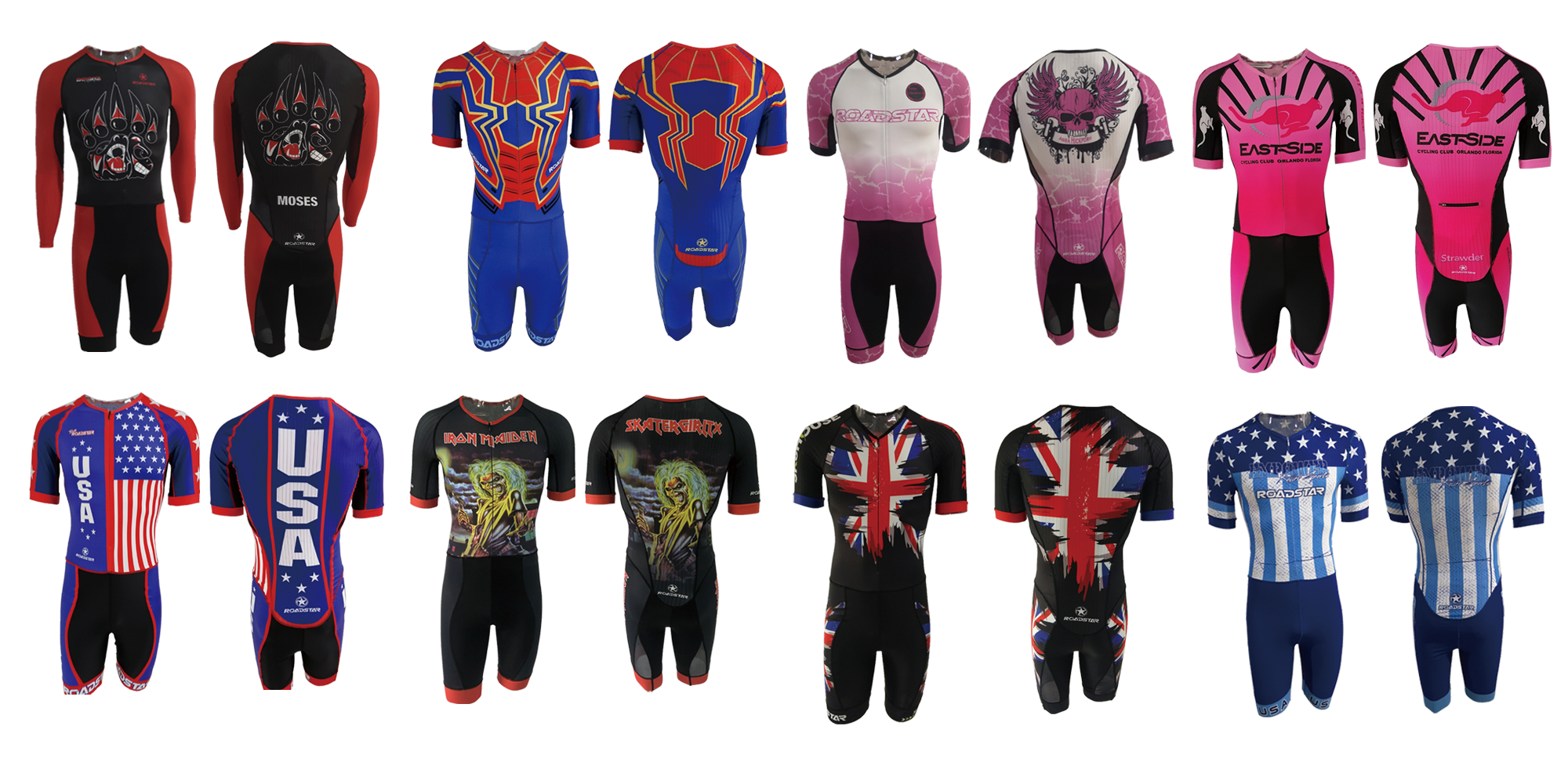
Ice skating suits are designed for cold environments with wind protection and insulation, making them unsuitable for warm-weather inline racing. Their heavier fabrics reduce breathability, increase heat buildup, and limit the wider range of motion required for asphalt skating. The result is faster fatigue, overheating, and reduced skating efficiency.
Inline suits prioritize lightweight ventilation and aerodynamic freedom, but they lack the insulation and safety features required for ice racing. In cold rinks, they provide insufficient thermal protection and may increase injury risk due to the absence of cut-resistant materials, especially in short track environments.
A crossover suit can work for beginners, recreational training, or controlled environments where performance demands are lower. For regular practice, a layered setup—such as combining an inline suit with thermal layers and certified cut-resistant protection—can provide flexibility without requiring immediate investment in separate competition suits. However, elite athletes generally need discipline-specific equipment for optimal performance and safety.
Consult the latest ISU or World Skate rulebooks to ensure your intended purchase meets all current safety and aerodynamic mandates.
Take precise anatomical measurements exclusively while holding your deepest skating crouch to guarantee accurate pattern sizing.
Request detailed fabric specification sheets from manufacturers to verify the presence of cut-resistant Kevlar for ice or high-denier abrasion panels for inline.
Invest in specialized base layers if you plan to use a modular layering system during off-season transition training.
A: The primary difference lies in thermal regulation and safety features. Ice suits use insulated, wind-blocking fabrics and integrate cut-resistant materials to protect against blade strikes. Inline suits use ultra-thin, breathable mesh for heat dissipation and incorporate abrasion-resistant panels to protect against asphalt road rash.
A: If your ice speed skating suit does not have built-in Level 3+ cut-resistant panels, you must wear cut-resistant Kevlar or Dyneema base layers underneath. This is mandatory for short track racing to prevent severe blade lacerations during high-speed crashes.
A: No, it is highly dangerous. Inline suits lack the mandatory cut-resistant fabrics required to protect your arteries from sharp skate blades during pack racing. Additionally, the thin, breathable material will lead to rapid heat loss and muscle stiffness in the cold rink environment.
A: The rubberized patches on the inner thighs reduce friction. During high-speed crossovers on the ice, the skater's legs rub together. The slick patches prevent the fabric from catching, ensuring a smooth, uninterrupted stride and preventing premature wear on the suit's seams.
A: A competitive suit should feel uncomfortably tight when standing upright, pulling your shoulders forward. It must only fit perfectly when you drop into a deep skating crouch. In this position, there should be absolutely no wrinkles or loose fabric, acting as a compressive second skin.
A: Hand wash the suit in cold water using a mild, non-biological detergent immediately after use to remove corrosive sweat. Never use fabric softeners, bleach, or a tumble dryer, as heat and chemicals destroy the elastane fibers and aerodynamic rubber panels. Always air dry flat in the shade.


