
- CUSTOM PRODUCT
- PRODUCTS & DESIGN
- COMPANY & BRAND
- NEWS
- CONTACT US
Views: 0 Author: Site Editor Publish Time: 2026-08-10 Origin: Site


Athletic programs and clothing brands face a strict operational challenge when manufacturing activewear. Choosing the wrong apparel decoration method leads to mid-season uniform replacements. Heavy inks peel off after repeated commercial washes. Rigid logos crack under extreme fabric tension during competition. Poorly decorated garments trap heat, causing athletes to overheat and underperform. These physical failures damage team morale and destroy retail reputation. Balancing aesthetic demands, athletic performance, and procurement requirements demands a technical understanding of fabric decoration. You must evaluate sublimated sportswear vs printed sportswear to make an evidence-based manufacturing decision. This comparison breaks down the mechanical differences, material constraints, and performance outcomes of each method so you can specify the correct process for your next production run.
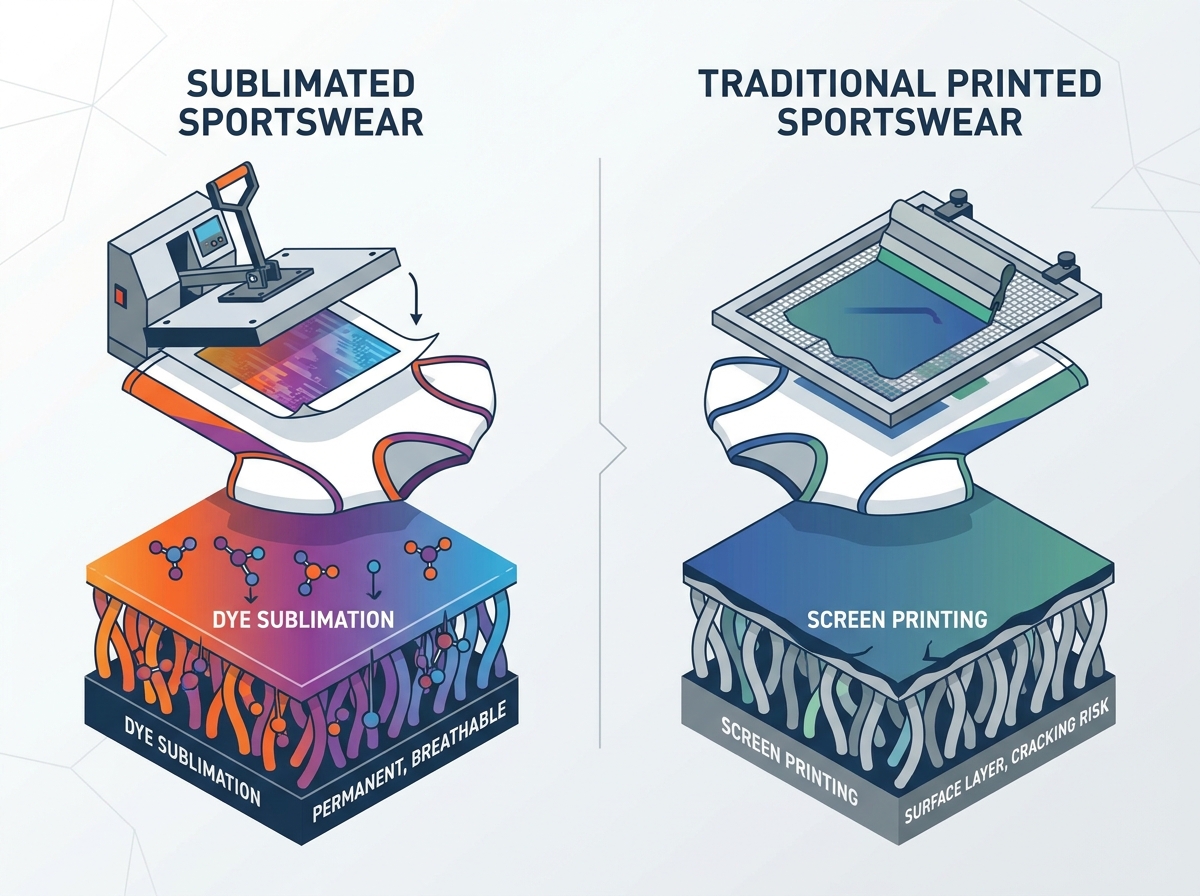
Performance Impact: Sublimation embeds dye directly into the fabric fibers, maintaining 100% of the garment's original breathability and stretch, whereas traditional printing applies a layer on top of the fabric that can restrict airflow and elasticity.
Durability and Lifecycle: Sublimated designs will not crack, peel, or fade under heavy athletic use and commercial washing, offering a longer functional lifespan and higher perceived brand quality compared to screen-printed or heat-transferred garments.
Fabric Limitations: Sublimation requires synthetic fabrics (minimum 70-80% polyester or spandex blends) and light-colored bases, while traditional printing methods offer broader compatibility across cotton and dark-colored textiles.
Cost at Scale: Traditional screen printing is highly cost-effective for bulk orders with minimal colors, whereas sublimation offers flat-rate pricing regardless of design complexity, making it superior for highly customized, multi-color, or print-on-demand (POD) business models.
Table of Contents
Sublimation relies on a precise chemical reaction rather than a surface application. Production starts by depositing specialized disperse dyes onto coated transfer paper using wide-format digital printers. The paper weight, usually measured in grams per square meter (GSM), dictates how much ink it can hold without warping. Operators then feed this printed paper and the blank fabric through a rotary calender heat press. Temperatures inside the drum reach approximately 400°F (200°C). Under this intense heat and mechanical pressure, the solid dye instantly converts into a gas without passing through a liquid state. Simultaneously, the thermal exposure opens the microscopic pores of the polymer fibers in the fabric. The gas permeates these open pores. As the fabric exits the press and cools, the pores close, trapping the dye inside the fiber permanently. The ink becomes part of the fabric itself. It does not sit on the surface. This molecular bond ensures the design remains permanently integrated with the textile structure.
Traditional printing encompasses several distinct mechanical processes. Each applies a physical medium onto the surface of the fabric rather than altering the fiber chemically. Understanding these mechanics helps identify their physical limitations on activewear.
Screen Printing: Technicians coat fine mesh screens with a light-sensitive emulsion. They expose the screen to ultraviolet light to create a negative stencil. Operators then push thick plastisol or water-based inks through the open mesh areas directly onto the fabric using a squeegee. The garment passes through a conveyor dryer at roughly 320°F to cure the ink layer onto the surface.
Direct-to-Garment (DTG): This method operates like a standard inkjet printer. Machines spray liquid water-based ink directly onto the fabric surface. Dark garments require a liquid pretreatment to help the ink adhere and prevent it from soaking entirely into the weave. The garment then requires heat curing via a hover press or tunnel dryer to set the design.
Heat Transfer and Vinyl: Plotters cut vector designs out of colored polyurethane vinyl rolls. Operators manually weed out the excess material using sharp picks. They place the vinyl onto the garment and apply a commercial heat press. The heat activates an adhesive backing, melting the vinyl onto the fabric surface under heavy pressure.
Athletic performance depends heavily on thermal regulation. High-performance activewear uses moisture-wicking fabrics designed to pull sweat away from the body and push it to the surface for rapid evaporation. This capillary action requires open fabric pores. Traditional printing methods sabotage this functionality. Plastisol inks create a solid plastic shield over the fabric. This shield blocks the microscopic pores of the textile. Air cannot circulate. Sweat cannot escape. Athletes often develop heavy sweat patches directly underneath large screen-printed logos or numbers. Sublimation solves this problem entirely. Because the dye bonds internally with the fibers, the spaces between the woven threads remain completely open. The garment retains its original breathability. Airflow remains unrestricted across the entire surface of the jersey, allowing the moisture-wicking technology to function exactly as engineered.
Modern sportswear incorporates high percentages of spandex or elastane to achieve 4-way stretch. Compression gear, wrestling singlets, and cycling kits stretch significantly during use. Traditional surface prints struggle with extreme tension. When an athlete lunges or stretches, the underlying fabric expands. The rigid layer of screen-printed ink or heat-pressed vinyl cannot expand at the same rate. This discrepancy causes the print to crack, warp, or peel away from the base layer. Sublimated designs stretch naturally with the fabric. The dye expands alongside the elastane fibers without any distortion or structural failure. The design integrity remains flawless regardless of how far the garment stretches, and it recovers perfectly when the fabric snaps back to its original shape.
Endurance athletes require lightweight, frictionless apparel. The texture of a garment directly impacts comfort over long distances. Screen printing and vinyl transfers add measurable weight to a jersey. They also introduce a noticeable texture, known in the industry as the "hand feel." Heavy plastisol prints feel rigid and rubbery. During repetitive athletic movements, such as running a marathon or rowing, the friction from these raised, rigid prints causes severe chafing against the skin. Sublimation adds zero weight to the garment. It leaves absolutely no texture on the surface. The fabric feels identical before and after the printing process. This frictionless finish makes it the optimal choice for endurance sports and high-movement activities where skin irritation ruins performance.
Contact sports subject uniforms to extreme physical abuse. Rugby, American football, and mixed martial arts involve constant friction against turf, equipment, and other players. Surface-level decorations fail rapidly in these environments. A hard slide tackle on artificial turf will easily scrape off heat-pressed numbers or screen-printed logos. The friction literally tears the ink away from the fabric surface. Sublimated uniforms offer superior abrasion resistance. Because the dye resides inside the polymer fibers, surface friction cannot remove the design. The fabric itself would have to tear completely to destroy the logo. This embedded durability ensures uniforms maintain a professional appearance throughout an aggressive athletic season.
Commercial laundering processes destroy traditional sportswear. Team equipment managers use industrial washing machines, harsh detergents with high pH levels, and high-temperature tumble dryers to sanitize uniforms. High heat degrades the adhesive in vinyl transfers, causing numbers to curl and peel at the edges. Repeated washing breaks down plastisol inks, leading to a faded, cracked appearance. Furthermore, prolonged exposure to sunlight during outdoor sports causes traditional pigments to fade. Sublimation resists both threats. The chemical bond between the disperse dye and the polyester fiber is permanent. Sublimated garments withstand hundreds of high-temperature wash cycles without losing color vibrancy. The dyes also exhibit excellent UV resistance, preventing fading during long outdoor tournaments.
Evaluate the operational lifespan of the garment. Uniforms decorated with surface inks often require replacement mid-season due to aesthetic failure. Numbers peel off, rendering the jersey unwearable for official league play. Sublimated garments eliminate this replacement cycle. The initial manufacturing investment yields a uniform that lasts multiple seasons without visual degradation. This extended lifecycle reduces the administrative burden on athletic directors and procurement managers who otherwise spend time reordering replacement gear.
Apparel brands rely on perceived quality to drive sales and customer loyalty. Consumers associate heavy, cracking prints with cheap promotional merchandise. Premium activewear brands cannot afford this association. Sublimated sportswear offers a high-end, retail-ready finish. The vibrant, fade-resistant colors and soft hand feel signal quality to the consumer. This premium perception allows e-commerce and retail clothing brands to command higher retail margins. Furthermore, the longevity of sublimated garments reduces customer return rates due to print failure. Delivering a durable, high-performance product directly improves brand reputation and drives repeat purchases.
Traditional printing imposes strict physical boundaries on design placement. Screen printing requires flat, unobstructed surfaces. Operators must fit the design within a specific printable area, usually a rectangular bounding box on the front or back of the shirt. Printing over seams, zippers, or collars is nearly impossible with traditional methods. Sublimation unlocks All-Over Printing (AOP). Designers can create edge-to-edge graphics that cover the entire garment using high-resolution vector or raster files. Complex geometric patterns, seamless gradients, and wrap-around graphics become easily achievable. The design flows continuously across sleeves, side panels, and collars without interruption.
Color count dictates the production workflow in traditional printing. Screen printing requires a separate mesh screen, film positive, and setup process for every single color in a design. A six-color logo requires six screens. This setup process demands significant labor and time. Consequently, complex designs become highly inefficient to produce. Sublimation utilizes a CMYK color gamut in a digital printing process. The digital printer mixes four base colors (Cyan, Magenta, Yellow, Black) to create millions of distinct shades simultaneously. Printing a photorealistic image with a thousand color variations requires the exact same effort as printing a solid black circle. Sublimation eliminates the barrier of color complexity.
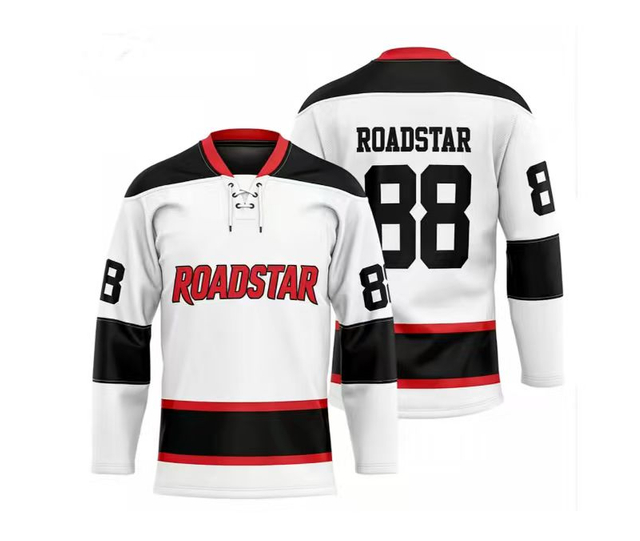
Team sports require variable data printing. Every jersey needs a unique player name and number. Traditional manufacturing treats personalization as a secondary, labor-intensive step. A factory might screen print the team logo in bulk, then manually heat-press individual vinyl numbers onto each jersey later. This two-step process introduces alignment errors and additional labor time. Sublimation integrates personalization directly into the primary manufacturing phase. The digital design file includes the specific name and number for each garment, often managed through automated roster software. The printer outputs the entire customized panel at once. The logo, background pattern, name, and number all transfer into the fabric simultaneously. This single-step workflow eliminates secondary processing.
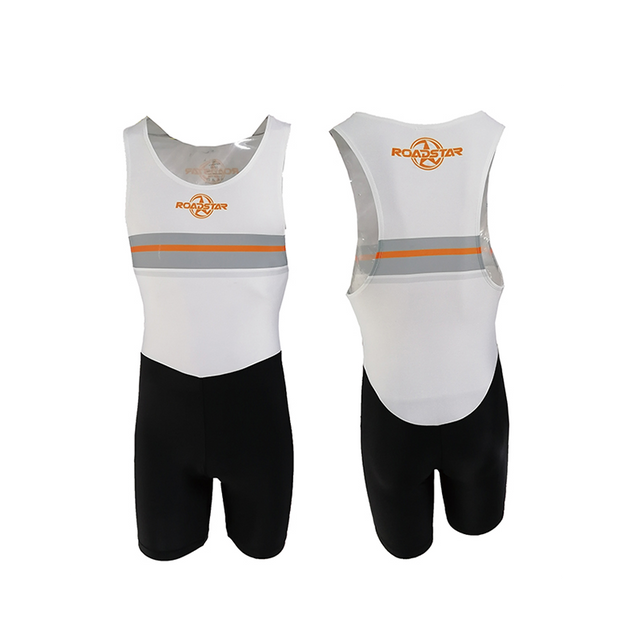
Sublimation operates under a strict material constraint. The chemical process only works with synthetic polymers. The disperse dyes require polymer molecules to bond successfully. Therefore, sublimation requires fabrics containing at least 70% to 80% polyester. It also works exceptionally well on nylon and spandex blends. Attempting to sublimate natural fibers yields poor results. If you sublimate a 50/50 poly-cotton blend, the dye only bonds to the polyester threads. The dye washes out of the cotton threads during the first laundry cycle. This results in a faded, washed-out, vintage appearance. For vibrant, permanent athletic wear, high-polyester content is non-negotiable.
Direct-to-Garment printing struggles significantly with athletic wear due to dye migration. When manufacturing colored polyester fabric, textile mills use disperse dyes. If a printer applies water-based DTG ink onto a red polyester shirt, the garment must go through a heat tunnel to cure the ink. The high heat reactivates the red disperse dyes in the fabric. These red dyes migrate upward and bleed into the wet DTG ink. A white DTG logo will suddenly turn pink. This dye migration ruins the visual integrity of the logo. Sublimation avoids this failure point entirely because the process dyes white fabric directly, rather than printing over pre-dyed colored fabrics.
Sublimation ink is inherently transparent. The process does not utilize white ink. The white areas in a sublimated design are simply the unprinted areas of the white base fabric showing through. Because the ink is transparent, it cannot cover dark colors. You cannot sublimate a yellow logo onto a black shirt. The black fabric will absorb the yellow dye, rendering it invisible. Sublimation must always start with a white or light-colored base fabric. The printer applies the dark background colors and the bright logos simultaneously during the transfer process.
Despite the advantages of sublimation, traditional printing remains mandatory for specific applications. If a brand requires 100% heavy cotton warm-up hoodies, screen printing or DTG are the only viable options. If the manufacturing plan involves printing simple logos onto pre-dyed black or navy blank garments, screen printing provides the necessary opaque coverage. Additionally, traditional printing supports specialty ink applications. Brands looking for metallic foils, puff prints, high-density gels, or glow-in-the-dark effects must rely on screen printing techniques. Sublimation cannot replicate these raised, textured finishes.
Technical Comparison: Sublimation vs. Traditional Printing | |||
Feature | Sublimation | Screen Printing | Heat Transfer / Vinyl |
|---|---|---|---|
Breathability | 100% retained | Restricted by ink layer | Completely blocked |
Stretch | Excellent (moves with fabric) | Poor to Moderate (prone to cracking) | Poor (snaps under tension) |
Fabric Requirement | Synthetic (Polyester/Spandex) | Any (Cotton, Blends, Poly) | Any (Cotton, Blends, Poly) |
Base Color | Must be White/Light | Any Color | Any Color |
Texture (Hand Feel) | None (Zero weight) | Heavy, raised surface | Rigid, plastic feel |
Manufacturing scalability depends on setup efficiency. Screen printing involves high initial setup barriers. Burning screens, mixing inks, and calibrating the press takes considerable time. Factories must amortize this setup time across a large production run. Consequently, screen printers enforce strict Minimum Order Quantities (MOQs). Producing five custom jerseys via screen printing is highly inefficient. Sublimation requires virtually zero physical setup. The operator simply loads the digital file and presses print. This digital workflow eliminates setup fees and allows factories to produce a single custom garment with the same efficiency as a thousand units.
Inventory management dictates the survival of modern apparel brands. Holding thousands of pre-printed jerseys ties up capital and introduces massive inventory risk. If a specific design fails to sell, the brand takes a loss. Sublimation enables the Print-on-Demand (POD) business model. Brands can list hundreds of digital designs on their e-commerce stores without holding any physical stock. When a customer places an order, the factory sublimates, cuts, and sews that specific garment. This zero-inventory approach allows brands to test new markets and launch new collections without upfront financial risk.
Production efficiency shifts dramatically based on volume and design simplicity. For massive production runs requiring a simple, one-color logo, screen printing dominates. Once the single screen is set up, an automatic press can churn out hundreds of shirts per hour at a fraction of the effort per unit. However, as color count increases, screen printing efficiency drops. Sublimation maintains a flat production curve. The effort to produce one unit is identical to the effort to produce one hundred. For highly customized team wear, multi-color designs, or variable data rosters, sublimation remains the most economical choice regardless of the total volume.
Production timelines vary based on the chosen workflow. Screen printing typically utilizes pre-manufactured blank garments. The factory pulls blank shirts from a shelf, prints them, and ships them quickly. Sublimated sportswear often utilizes a cut-and-sew manufacturing process. The factory prints the design onto flat rolls of white fabric. Laser cutters slice the fabric into individual garment panels. Seamstresses then sew the panels together to construct the final jersey. This cut-and-sew process ensures perfect edge-to-edge graphics, but it extends the overall lead time. Brands must account for this longer assembly phase when planning seasonal product launches.
Textile manufacturing heavily impacts local ecosystems. Traditional screen printing requires significant chemical intervention. Cleaning and reclaiming screens involves emulsion removers, ink degradants, and heavy degreasers. Rinsing these chemicals sends contaminated wastewater into local drainage systems. Plastisol inks also contain PVC and phthalates. Sublimation offers a much cleaner environmental profile. The disperse dyes are water-based and non-toxic. The transfer process uses heat and pressure, requiring absolutely no water. Sublimation produces zero wastewater. The only significant byproduct is the used transfer paper, which modern facilities easily recycle. This dry process makes sublimation highly attractive for brands prioritizing sustainable manufacturing practices.
Hitting exact corporate brand colors presents a major challenge in digital textile printing. Sublimation colors shift based on heat press temperature, dwell time, and the specific composition of the base fabric. A digital hex code that looks royal blue on a computer monitor might press as a purplish-blue on a 100% polyester mesh. Never proceed to bulk production based on digital mockups alone. Always demand physical strike-offs. A strike-off is a small fabric swatch printed with your specific design on the exact production fabric. Review this physical sample under natural lighting to verify Pantone accuracy before approving the full run.
Some manufacturers attempt to sublimate directly onto pre-constructed blank white shirts to save time. This shortcut causes severe quality defects known as "ghosting." When the heat press flattens the pre-made shirt, the fabric bunches up around the armpits, collar, and side seams. The dye cannot reach inside these folds. When the shirt is worn, the folds open up, revealing stark white creases cutting through the design. Strictly avoid sublimating onto pre-made blanks. Mandate a cut-and-sew workflow. Printing on flat fabric panels before sewing guarantees complete ink coverage and eliminates ghosting entirely.
Choosing the right manufacturing partner determines the success of your apparel line. Not all sublimation facilities operate at the same standard. Low-quality transfer paper or cheap dyes result in blurry, muted graphics. Audit your suppliers rigorously. Ask for their printer DPI (Dots Per Inch) specifications. Request samples of their previous work to inspect the sharpness of fine text and logos. Perform a stretch test on their samples to ensure the base fabric maintains opacity and does not become transparent when under tension.
Audit your current activewear inventory to identify failure points like peeling numbers or cracked logos.
Request physical fabric strike-offs from your manufacturer to verify Pantone color accuracy on your specific polyester blend.
Transition your complex, multi-color team uniform designs to a cut-and-sew sublimation workflow to eliminate ghosting defects.
Specify screen printing only for bulk orders of 100% cotton garments or designs requiring specialty raised inks.
A: No. Sublimation dyes only bond chemically with synthetic polymer fibers. If you attempt to sublimate on 100% cotton, the dye will wash out completely during the first laundry cycle. You must use fabrics with at least 70% polyester for permanent results.
A: This defect is called ghosting. It happens when a manufacturer sublimates a pre-sewn blank shirt. The fabric folds under the heat press, preventing the dye from reaching the hidden areas. To avoid this, always specify a cut-and-sew manufacturing process.
A: No. Screen printing applies a layer of ink on top of the fabric. This layer will eventually crack, peel, or fade after heavy washing and abrasion. Sublimation embeds the dye inside the fiber, making it permanent and highly resistant to washing and friction.
A: No. Sublimation ink is transparent and there is no white dye in the process. The dark fabric will absorb the transparent ink, making the design invisible. You must start with a white or light-colored fabric and print the dark background around the logo.
A: Sublimation is superior for new brands. It requires no screen setup fees and supports Print-on-Demand models. You can offer complex, multi-color designs without holding physical inventory or meeting high minimum order quantities.
A: Sublimation adds zero weight or texture to the fabric. Because the dye bonds at the molecular level inside the fibers, the garment retains its exact original weight, drape, and soft hand feel. This frictionless finish makes it ideal for endurance sports.


